
Ghee in everyday cooking: more than a finishing spoon
4 min read
Ghee isn't only for festivals. In a Maharashtrian kitchen it's an everyday ingredient — a high-smoke-point cooking fat, a finishing aroma, and the thing that makes plain food taste cared-for. Here's where it works hardest.
The tadka and the sauté
Ghee's nutty aroma makes it a lovely base for a tempering — mustard, cumin and curry leaves bloom beautifully in it. It handles heat well, so it's practical, not just indulgent.
The finishing spoon
A spoon of ghee over hot varan-bhaat (dal-rice), on a bhakri, or into a sweet is the small ritual that lifts everyday food. It's the difference between food that's cooked and food that's finished.
Cow or buffalo?
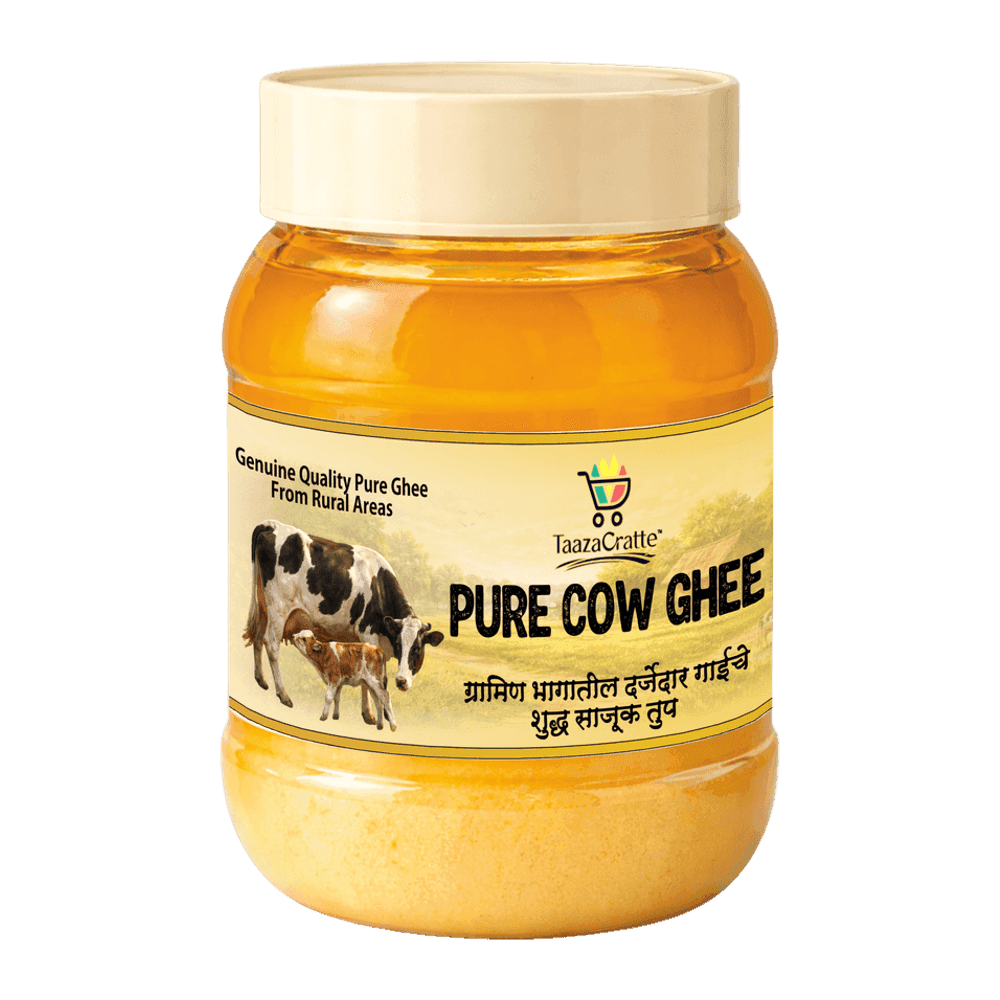
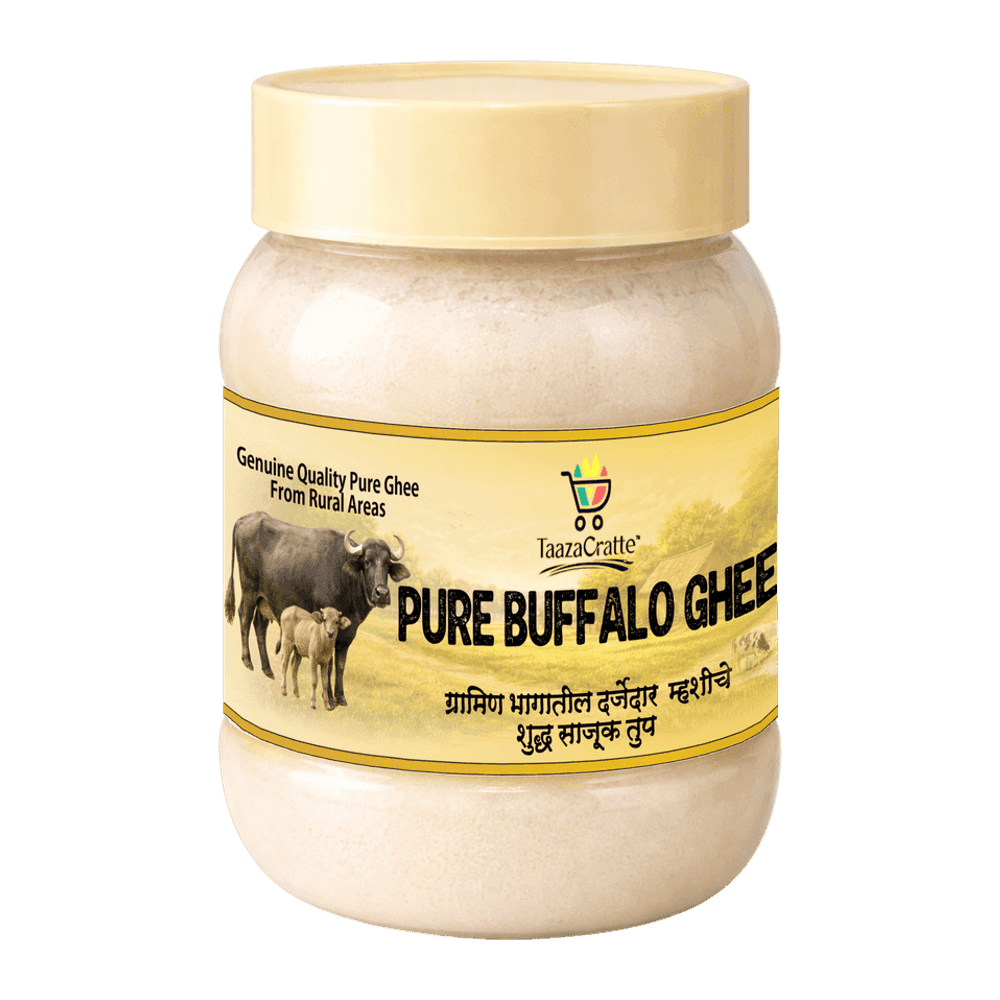
Cow ghee is lighter, more aromatic and golden; buffalo ghee is richer, whiter and heavier. Cooks often keep cow ghee for finishing and buffalo for richer dishes and sweets. Both should be pure, with a clean, grainy set.
Common questions
Is ghee good for high-heat cooking?
Ghee has a high smoke point and is traditionally used for tempering and sautéing, as well as finishing. We make no health claims — this is about cooking behaviour and flavour.
How do I know ghee is pure?
Pure ghee sets grainy, smells clean and nutty, and melts to a clear golden liquid. See our ghee-purity page for what to look for.