Bhakri & dry chutney: the everyday Maharashtrian plate
4 min read
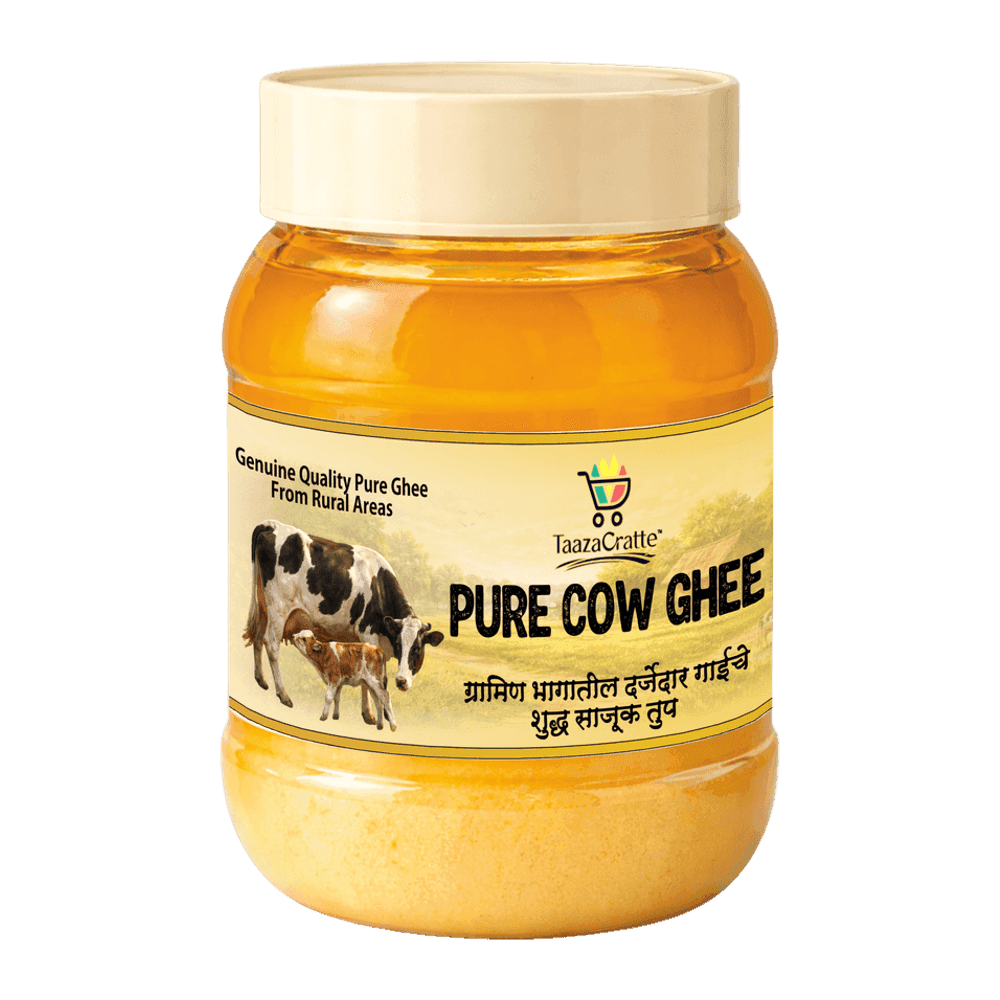
Long before elaborate thalis, there was bhakri and chutney — a hand-patted millet flatbread, a pinch of dry chutney, maybe a spoon of ghee. It's still the meal many Maharashtrians return to, and it's the reason a jar of dry chutney belongs in every kitchen.
Why dry chutneys and bhakri belong together
Bhakri is honest, slightly rustic bread; a dry chutney gives it everything it needs — salt, heat, nuttiness — without any cooking. Tear a piece, dip it in the chutney, add ghee if you like. That's dinner.
Know your dry chutneys
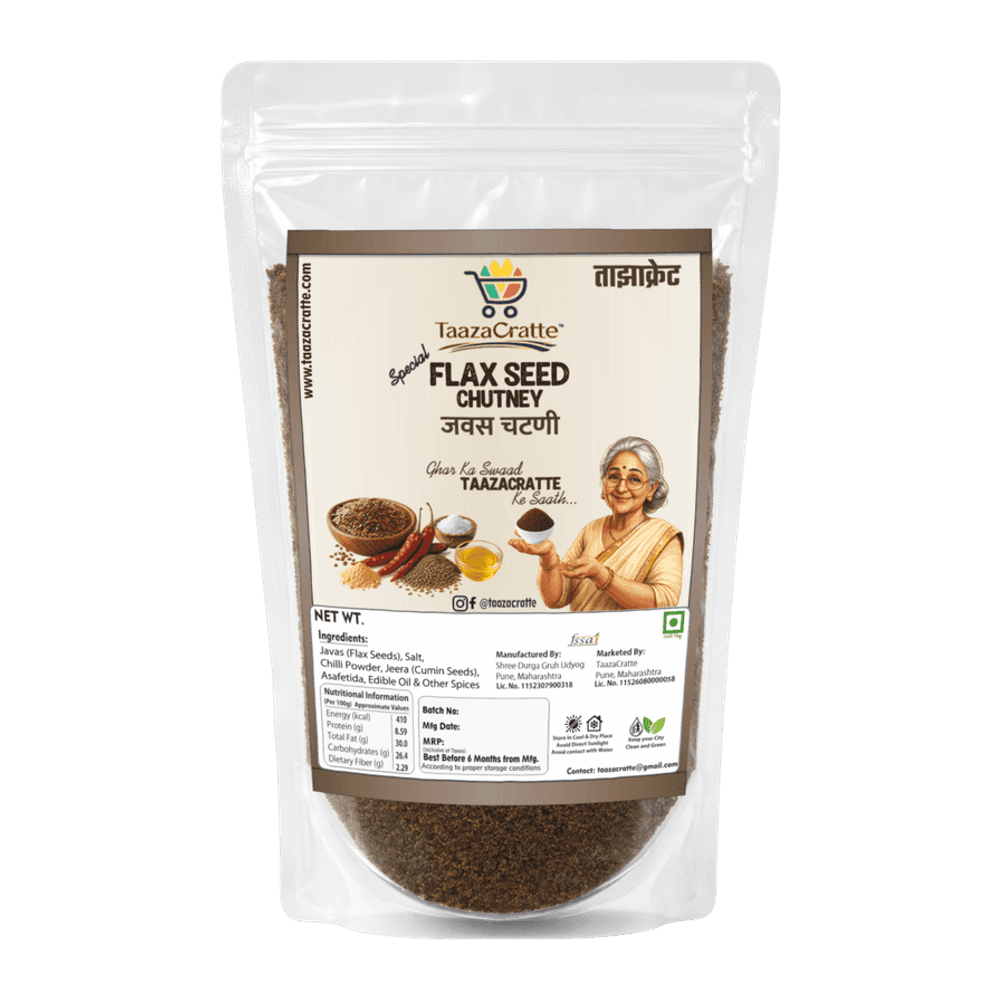
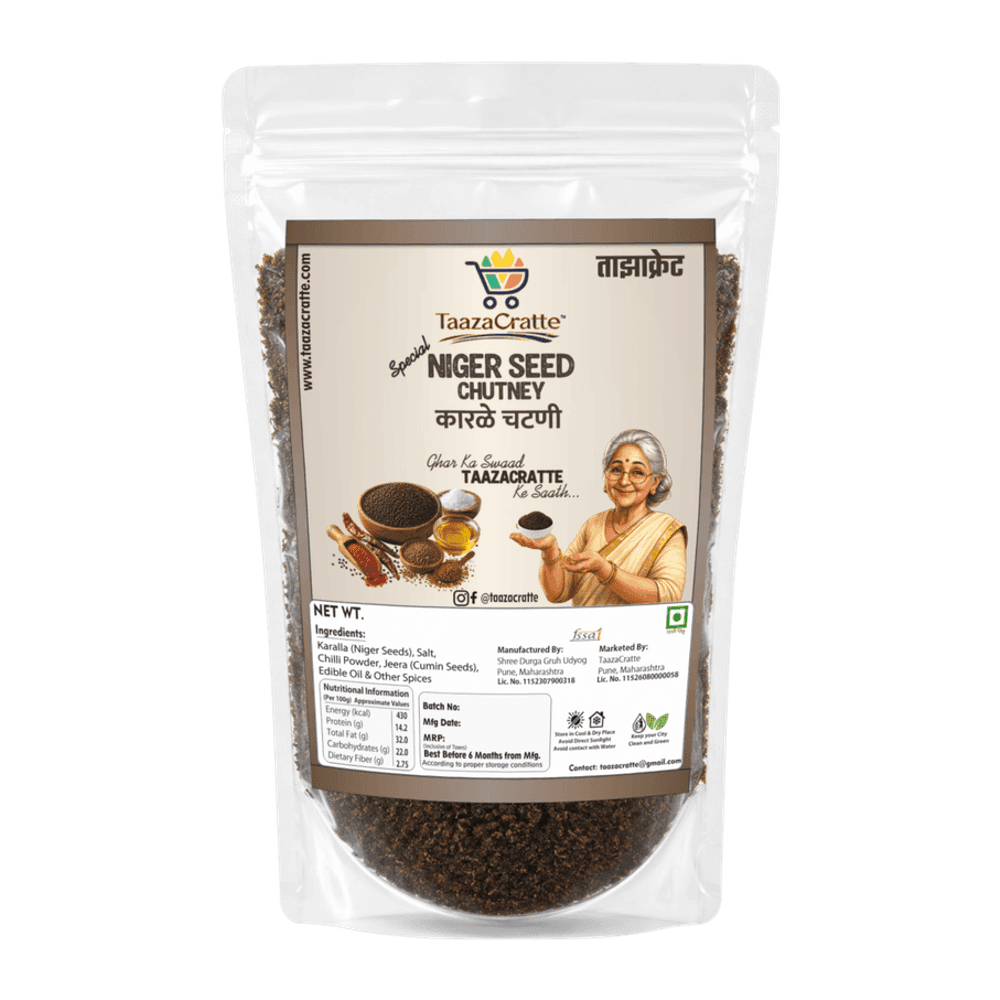
Shengdana (groundnut) is the nutty, garlicky, everyday favourite. Javas (flaxseed) is earthier and gentler. Karale (niger seed) is the deepest and most seasonal — a winter classic. Keep two or three and every plate has an answer.
They also travel and keep beautifully — dry spoon, tight lid, months on the shelf.
Beyond bhakri
The same jar works sprinkled over hot rice with ghee, folded into curd, mixed with oil as a two-minute spread, or dusted over a dull sabzi to wake it up.
Common questions
Are dry chutneys fasting-friendly?
The regular ones contain garlic, so no. For upvas we make a dedicated no-onion, no-garlic groundnut chutney — see the fasting page.
How long do they keep?
Kept dry and sealed, several months. Always use a dry spoon and keep them away from steam.