
Winter foods of Maharashtra: karale, javas & ghee
3 min read
Maharashtrian kitchens shift with the season, and winter has its own shelf — the deeper, oilier seeds and a heavier hand with ghee. It's food that feels warming and grounding when the mornings turn cold.
The winter seeds
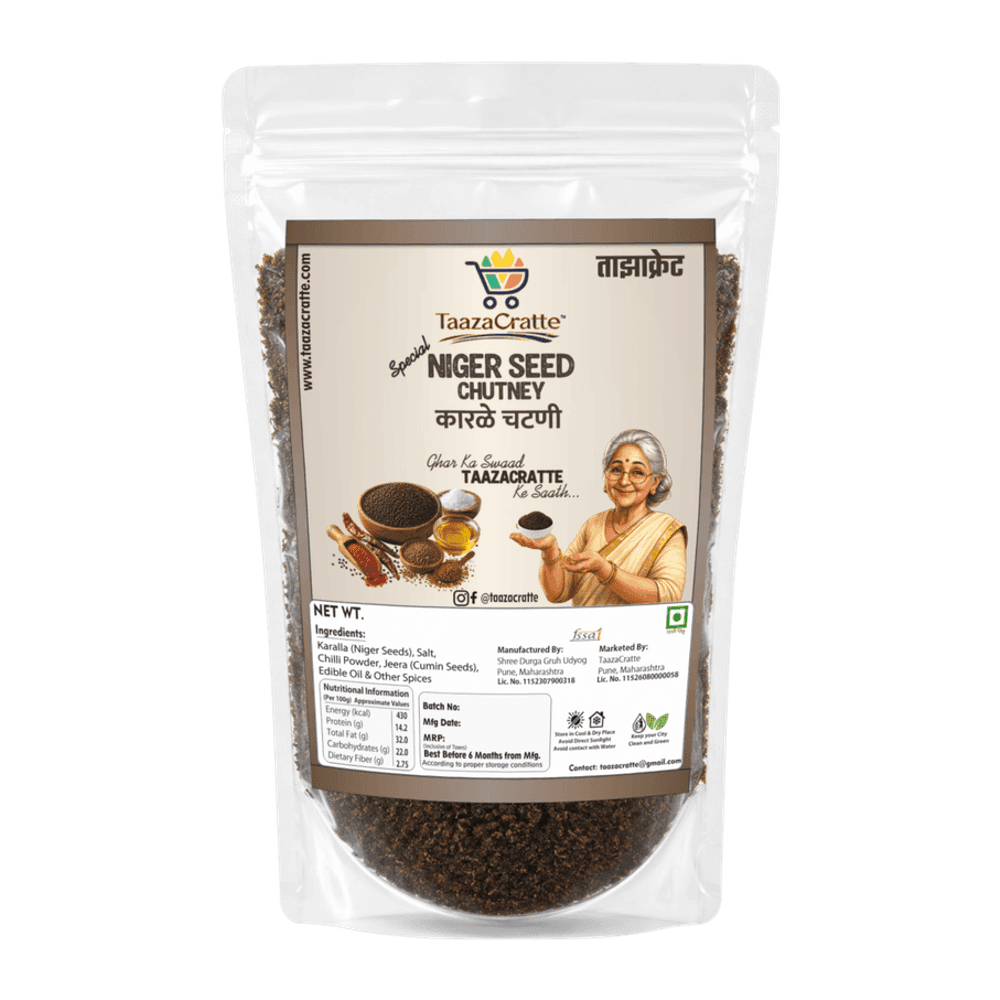
Karale (niger seed) chutney is the quintessential winter chutney — deep, nutty, and traditionally eaten more in the cold months. Javas (flaxseed) chutney belongs to the same earthy family. With hot bhakri and ghee, they're proper winter comfort.
A heavier hand with ghee
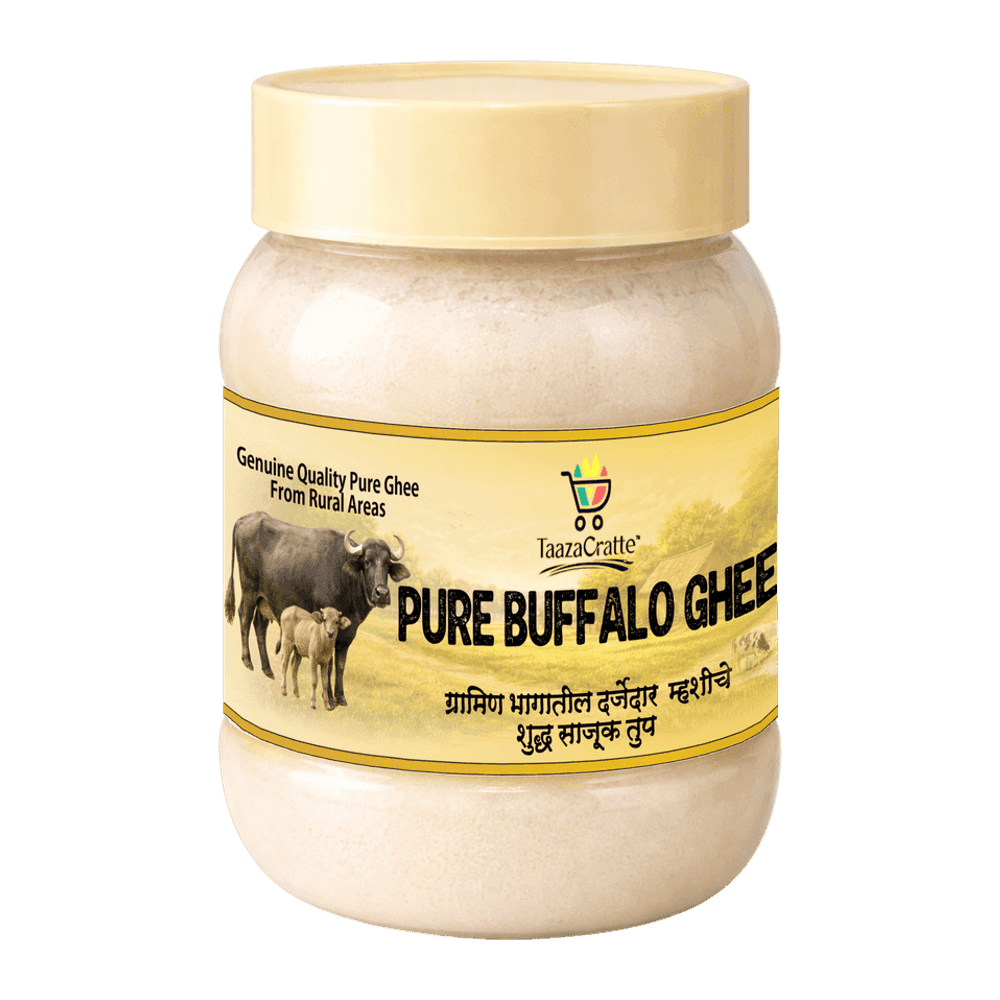
Winter is when the ghee jar comes out more freely — over bhakri, dal-rice, or a sweet. Pure cow or buffalo ghee adds richness and that unmistakable finishing aroma.
Common questions
Why are karale and javas called winter chutneys?
By tradition these earthier seed chutneys are eaten more in the cold months — they're grounding and pair naturally with warm bhakri and ghee. You can of course enjoy them year-round.
Cow or buffalo ghee for winter?
Either — buffalo ghee is richer and heavier, cow ghee lighter and more aromatic. It's a matter of preference; see our cow-vs-buffalo guide.